Content based on the Bible
© 2026 Après l’Enlèvement – All Rights Reserved
ABOUT
Après Enlèvement explores biblical prophecy, the Rapture of the Church, the End Times, and the Christian faith.
Discover what the Bible teaches about the return of Jesus Christ and how to be ready for it.
FOLLOW US
© 2026 Après l’Enlèvement – All Rights Reserved
ABOUT
Après Enlèvement explores biblical prophecy, the Rapture of the Church, the End Times, and the Christian faith.
Discover what the Bible teaches about the return of Jesus Christ and how to be ready for it.
FOLLOW US
📖 UNDERSTAND THE BIBLE
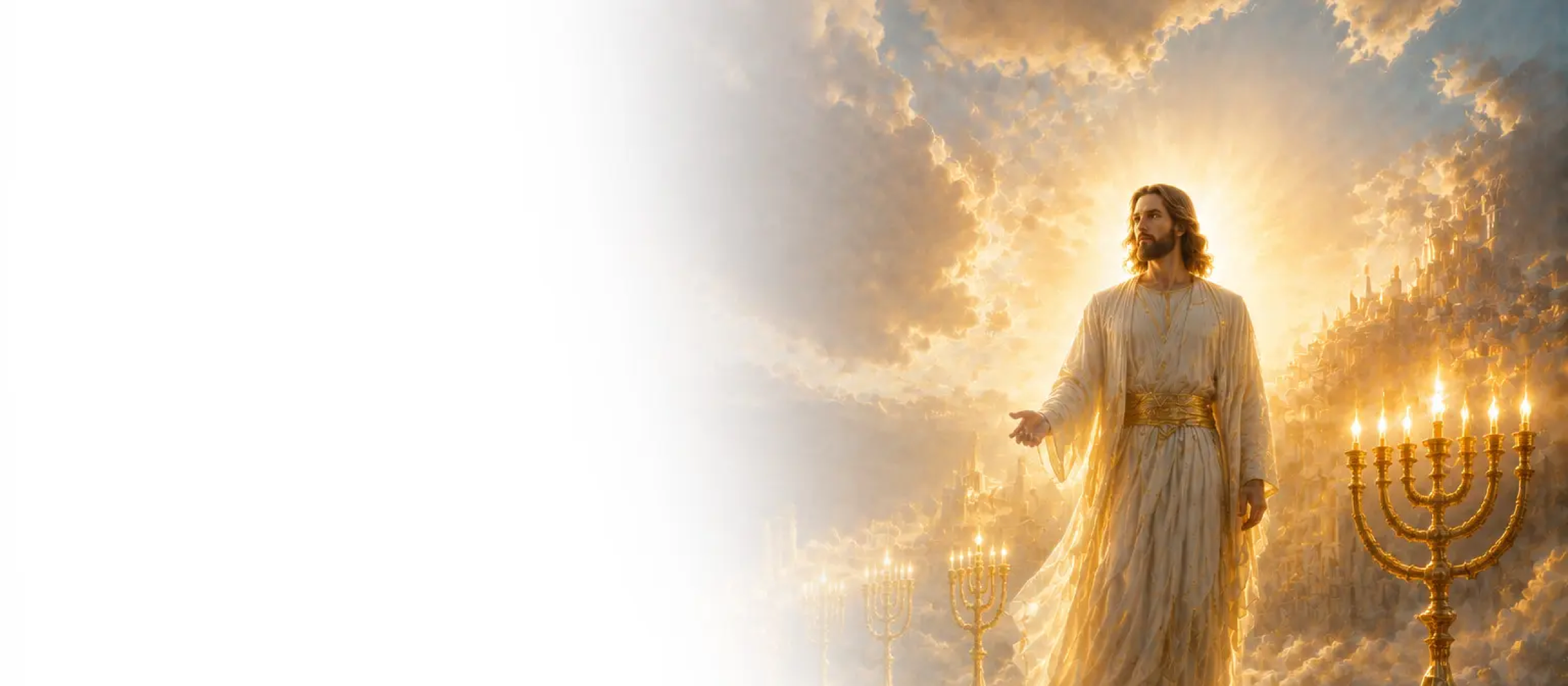
1 Unto the angel of the church of Ephesus write; These things saith he that holdeth the seven stars in his right hand, who walketh in the midst of the seven golden candlesticks;
2 I know thy works, and thy labour, and thy patience, and how thou canst not bear them which are evil: and thou hast tried them which say they are apostles, and are not, and hast found them liars:
3 And hast borne, and hast patience, and for my name’s sake hast laboured, and hast not fainted.
4 Nevertheless I have somewhat against thee, because thou hast left thy first love.
5 Remember therefore from whence thou art fallen, and repent, and do the first works; or else I will come unto thee quickly, and will remove thy candlestick out of his place, except thou repent.
6 But this thou hast, that thou hatest the deeds of the Nicolaitans, which I also hate.
7 He that hath an ear, let him hear what the Spirit saith unto the churches; To him that overcometh will I give to eat of the tree of life, which is in the midst of the paradise of God.
In this passage, Jesus gives His first message to the seven churches of Asia, beginning with the church of Ephesus. He presents Himself as the One who holds the seven stars in His right hand and walks among the seven golden candlesticks, showing that He knows His Church perfectly and exercises authority over it.
Jesus recognizes the strengths of the church of Ephesus: its works, its perseverance, its commitment to truth, and its rejection of false teachers. The church had tested those who claimed to be apostles and had remained faithful despite difficulties suffered because of Jesus’ name.
However, Jesus gives an important warning: they had left their first love. Although they maintained correct doctrine and good works, their love for God and their personal relationship with Him had grown cold. Jesus calls them to remember where they had fallen, repent, and return to their first works done with love and devotion.
The warning about removing the candlestick shows the importance of a church remaining spiritually faithful. A church can have correct doctrine and active service, yet lose its passion and love for Jesus.
The promise given to the one who overcomes is access to the tree of life in the paradise of God. This image points to the eternal life promised to the redeemed and connects with the tree of life in the Garden of Eden and the one found in the new creation (Revelation 22).
This message shows that Jesus does not only look at outward actions, but also at the condition of the heart. He calls His Church to remain faithful to the truth while maintaining a deep love for Him.
8 And unto the angel of the church in Smyrna write; These things saith the first and the last, which was dead, and is alive;
9 I know thy works, and tribulation, and poverty, (but thou art rich) and I know the blasphemy of them which say they are Jews, and are not, but are the synagogue of Satan.
10 Fear none of those things which thou shalt suffer: behold, the devil shall cast some of you into prison, that ye may be tried; and ye shall have tribulation ten days: be thou faithful unto death, and I will give thee a crown of life.
11 He that hath an ear, let him hear what the Spirit saith unto the churches; He that overcometh shall not be hurt of the second death.
In this passage, Jesus gives His message to the church of Smyrna, a church experiencing suffering and persecution. He presents Himself as “the first and the last, which was dead, and is alive,” reminding them that He has conquered death and possesses eternal authority.
Jesus fully knows the trials of this church: its material poverty, its suffering, and the persecution it endures. Yet He declares that it is spiritually rich, because its faithfulness to God has a value far greater than earthly possessions.
Jesus warns that some members of the church will face further trials and imprisonment through the work of the devil. He encourages them to remain faithful even unto death and promises them the crown of life, a symbol of the eternal reward given to those who persevere.
The promise made to the one who overcomes is that he will not suffer the second death, meaning the final judgment in the lake of fire. This message shows that temporary suffering on earth cannot compare with the eternal life promised by Jesus.
The church of Smyrna represents an example of a faith that remains faithful through trials: Jesus sees the suffering of His people and assures them that the final victory belongs to those who remain devoted to Him.
12 And to the angel of the church in Pergamos write; These things saith he which hath the sharp sword with two edges;
13 I know thy works, and where thou dwellest, even where Satan’s seat is: and thou holdest fast my name, and hast not denied my faith, even in those days wherein Antipas was my faithful martyr, who was slain among you, where Satan dwelleth.
14 But I have a few things against thee, because thou hast there them that hold the doctrine of Balaam, who taught Balac to cast a stumblingblock before the children of Israel, to eat things sacrificed unto idols, and to commit fornication.
15 So hast thou also them that hold the doctrine of the Nicolaitans, which thing I hate.
16 Repent; or else I will come unto thee quickly, and will fight against them with the sword of my mouth.
17 He that hath an ear, let him hear what the Spirit saith unto the churches; To him that overcometh will I give to eat of the hidden manna, and will give him a white stone, and in the stone a new name written, which no man knoweth saving he that receiveth it.
18 And unto the angel of the church in Thyatira write; These things saith the Son of God, who hath his eyes like unto a flame of fire, and his feet are like fine brass;
19 I know thy works, and charity, and service, and faith, and thy patience, and thy works; and the last to be more than the first.
20 Notwithstanding I have a few things against thee, because thou sufferest that woman Jezebel, which calleth herself a prophetess, to teach and to seduce my servants to commit fornication, and to eat things sacrificed unto idols.
21 And I gave her space to repent of her fornication; and she repented not.
22 Behold, I will cast her into a bed, and them that commit adultery with her into great tribulation, except they repent of their deeds.
23 And I will kill her children with death; and all the churches shall know that I am he which searcheth the reins and hearts: and I will give unto every one of you according to your works.
24 But unto you I say, and unto the rest in Thyatira, as many as have not this doctrine, and which have not known the depths of Satan, as they speak; I will put upon you none other burden.
25 But that which ye have already hold fast till I come.
26 And he that overcometh, and keepeth my works unto the end, to him will I give power over the nations:
27 And he shall rule them with a rod of iron; as the vessels of a potter shall they be broken to shivers: even as I received of my Father.
28 And I will give him the morning star.
29 He that hath an ear, let him hear what the Spirit saith unto the churches.
In this passage, Jesus gives His messages to the churches of Pergamos and Thyatira. He presents Himself to Pergamos as the One who has the sharp two-edged sword, representing the authority of His Word, which judges and discerns all things. To Thyatira, He reveals Himself as the Son of God, with eyes like a flame of fire, showing His perfect knowledge of hearts and His righteous judgment.
The church of Pergamos lived in an environment strongly influenced by idolatry, and Jesus recognizes its faithfulness despite persecution, especially the testimony of Antipas, His faithful witness. However, some members had compromised their faith by following teachings similar to those of Balaam and the Nicolaitans, which led people toward idolatry and immorality. Jesus therefore calls the church to repent.
The promise given to the one who overcomes is the hidden manna and a white stone with a new name written on it. The manna represents God’s spiritual provision, while the new name symbolizes a new identity and a personal relationship with Jesus.
The church of Thyatira is recognized for its love, faith, service, and perseverance. However, Jesus rebukes it because it tolerates the influence of “Jezebel,” a figure representing false teaching that leads God’s servants into immorality and idolatry.
Jesus warns that He will judge those who refuse to repent because He is the One who searches hearts and minds and repays each person according to their works. Yet He encourages those who remain faithful to hold firmly until His return.
The promise to the overcomers is great: they will receive authority over the nations and the morning star, an image associated with the glory and reign of Jesus. This passage reminds the Church to remain faithful, reject spiritual compromise, and wait patiently for the return of Jesus.
1 Unto the angel of the church of Ephesus write; These things saith he that holdeth the seven stars in his right hand, who walketh in the midst of the seven golden candlesticks;
2 I know thy works, and thy labour, and thy patience, and how thou canst not bear them which are evil: and thou hast tried them which say they are apostles, and are not, and hast found them liars:
3 And hast borne, and hast patience, and for my name’s sake hast laboured, and hast not fainted.
4 Nevertheless I have somewhat against thee, because thou hast left thy first love.
5 Remember therefore from whence thou art fallen, and repent, and do the first works; or else I will come unto thee quickly, and will remove thy candlestick out of his place, except thou repent.
6 But this thou hast, that thou hatest the deeds of the Nicolaitans, which I also hate.
7 He that hath an ear, let him hear what the Spirit saith unto the churches; To him that overcometh will I give to eat of the tree of life, which is in the midst of the paradise of God.
8 And unto the angel of the church in Smyrna write; These things saith the first and the last, which was dead, and is alive;
9 I know thy works, and tribulation, and poverty, (but thou art rich) and I know the blasphemy of them which say they are Jews, and are not, but are the synagogue of Satan.
10 Fear none of those things which thou shalt suffer: behold, the devil shall cast some of you into prison, that ye may be tried; and ye shall have tribulation ten days: be thou faithful unto death, and I will give thee a crown of life.
11 He that hath an ear, let him hear what the Spirit saith unto the churches; He that overcometh shall not be hurt of the second death.
12 And to the angel of the church in Pergamos write; These things saith he which hath the sharp sword with two edges;
13 I know thy works, and where thou dwellest, even where Satan’s seat is: and thou holdest fast my name, and hast not denied my faith, even in those days wherein Antipas was my faithful martyr, who was slain among you, where Satan dwelleth.
14 But I have a few things against thee, because thou hast there them that hold the doctrine of Balaam, who taught Balac to cast a stumblingblock before the children of Israel, to eat things sacrificed unto idols, and to commit fornication.
15 So hast thou also them that hold the doctrine of the Nicolaitans, which thing I hate.
16 Repent; or else I will come unto thee quickly, and will fight against them with the sword of my mouth.
17 He that hath an ear, let him hear what the Spirit saith unto the churches; To him that overcometh will I give to eat of the hidden manna, and will give him a white stone, and in the stone a new name written, which no man knoweth saving he that receiveth it.
18 And unto the angel of the church in Thyatira write; These things saith the Son of God, who hath his eyes like unto a flame of fire, and his feet are like fine brass;
19 I know thy works, and charity, and service, and faith, and thy patience, and thy works; and the last to be more than the first.
20 Notwithstanding I have a few things against thee, because thou sufferest that woman Jezebel, which calleth herself a prophetess, to teach and to seduce my servants to commit fornication, and to eat things sacrificed unto idols.
21 And I gave her space to repent of her fornication; and she repented not.
22 Behold, I will cast her into a bed, and them that commit adultery with her into great tribulation, except they repent of their deeds.
23 And I will kill her children with death; and all the churches shall know that I am he which searcheth the reins and hearts: and I will give unto every one of you according to your works.
24 But unto you I say, and unto the rest in Thyatira, as many as have not this doctrine, and which have not known the depths of Satan, as they speak; I will put upon you none other burden.
25 But that which ye have already hold fast till I come.
26 And he that overcometh, and keepeth my works unto the end, to him will I give power over the nations:
27 And he shall rule them with a rod of iron; as the vessels of a potter shall they be broken to shivers: even as I received of my Father.
28 And I will give him the morning star.
29 He that hath an ear, let him hear what the Spirit saith unto the churches.
In this chapter, Jesus gives His messages to the first four churches of Asia: Ephesus, Smyrna, Pergamos, and Thyatira. These messages reveal that Jesus knows His Church perfectly: He sees its works, recognizes its faithfulness, but also exposes its weaknesses and calls it to repentance.
The Church of Ephesus: The Loss of First Love
Jesus praises the church of Ephesus for its perseverance, doctrinal faithfulness, and rejection of false teachers. It had tested those who claimed to be apostles and had remained faithful despite difficulties suffered for the name of Jesus.
However, Jesus rebukes them because they had abandoned their first love. Despite having correct doctrine and good works, their love for God had grown cold. Jesus calls them to remember, repent, and return to a living faith.
The promise to the overcomer is access to the tree of life in the paradise of God, symbolizing eternal life.
The Church of Smyrna: Faithfulness in Suffering
Jesus encourages the church of Smyrna, which was experiencing persecution and poverty. In the eyes of the world, it appeared weak, but Jesus declares that it is spiritually rich.
He warns that the devil will seek to test some of them through suffering and imprisonment. Jesus calls them to remain faithful unto death and promises the crown of life.
The one who overcomes will not suffer the second death, meaning the final judgment in the lake of fire.
The Church of Pergamos: The Danger of Compromise
Jesus recognizes the faithfulness of Pergamos despite its hostile environment, described as “Satan’s seat.” However, some members had accepted teachings that led to idolatry and immorality.
Just as Israel was led into sin through the doctrine of Balaam, some in the church of Pergamos were compromising their faith. Jesus therefore calls the church to repent.
The overcomer will receive the hidden manna and a new name, symbolizing personal fellowship with God.
The Church of Thyatira: Tolerating False Teaching
Jesus recognizes the qualities of Thyatira: its love, faith, service, and perseverance. However, He rebukes it because it tolerates the influence of “Jezebel,” representing corrupt teaching that leads God’s servants into idolatry and immorality.
Jesus shows that He searches hearts and will judge those who refuse to repent. Yet He encourages those who remain faithful to hold firmly until His return.
The promise to the overcomers is authority over the nations and the morning star, an image connected with the glory and reign of Jesus.
Revelation 2 reveals that Jesus is the Lord of His Church. He knows its works, struggles, and weaknesses. He calls His people to remain faithful, reject spiritual compromise, and persevere until His return.